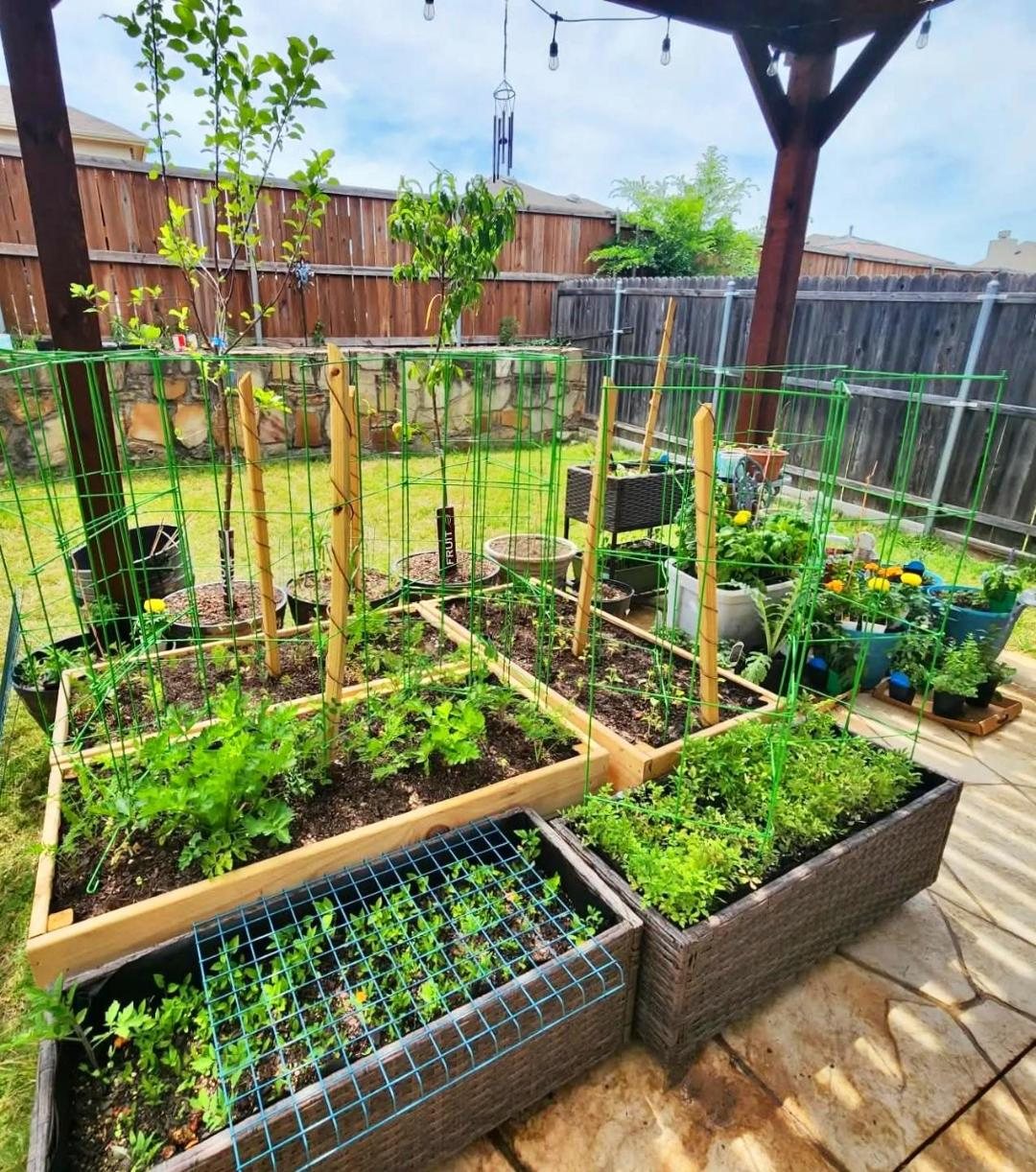
There's something quietly wonderful about walking outside and picking dinner from your own backyard. If you've been dreaming of growing a little of your own food, a raised garden bed is one of the friendliest places to begin — no tractor, no acreage, and no green thumb required.
Why raised beds are a great place to start
A raised bed is really just a contained box of good soil, lifted up off the ground. That simple idea solves a lot of beginner headaches. You're not fighting hard, rocky, or worn-out ground, because you fill the bed with fresh soil you choose. Weeds are easier to stay ahead of, drainage tends to be better, and the raised height is kinder on your back and knees.
Beds also help you start small and stay encouraged. One tidy 4-by-4-foot box is enough to grow a surprising amount, and it never feels overwhelming the way a giant plot can. You can always add another bed next season once you've caught the gardening bug.
Choosing the right location
Most vegetables and herbs are sun lovers, so look for a spot that gets roughly six or more hours of direct sunlight a day. Morning sun is especially lovely. Spend a day noticing how the light moves across your yard before you commit.
Try to place your bed somewhere you'll actually walk past often — near a back door or along a path you use daily. A garden you see every day is a garden you'll tend. It also helps to have water within easy reach, so dragging a hose never becomes a chore.
Soil basics
Soil is where the whole adventure really begins. A good starting mix for a raised bed is roughly equal parts quality topsoil, finished compost, and something light like aged bark or coconut coir to keep it fluffy and well-draining. Compost adds the rich, living material that plants love.
You don't need to make this complicated. Many garden centers sell bagged raised-bed soil blends that work beautifully right out of the bag. The goal is soil that feels loose and crumbly, holds together gently when you squeeze it, and drains rather than turning to mud.
Beginner-friendly plants
For your first season, lean toward plants that are forgiving and quick to reward you. A few favorites that tend to be easygoing:
- Leafy greens like lettuce, spinach, and kale — fast and generous
- Radishes, which can be ready in about a month
- Bush beans, cheerful and productive
- Cherry tomatoes, for sweet snacking straight off the vine
- Herbs like basil, parsley, and mint (keep mint in its own pot — it loves to wander)
Plant a few things you genuinely like to eat. You'll be far more excited to check on them, and that daily attention is half the secret to a thriving bed.
Simple watering tips
New gardens usually want consistent moisture more than occasional flooding. As a gentle rule of thumb, aim to keep the soil evenly damp but never soggy. Watering deeply a few times a week is generally better than a quick sprinkle every day, because it encourages roots to grow down and strong.
Morning is a lovely time to water — it gives plants a good drink before the heat and lets the leaves dry through the day. Slip a finger an inch into the soil to check; if it feels dry down there, it's time for a drink.
A little encouragement
Your first raised bed doesn't need to be perfect to be a success. Some things will thrive, a few may sulk, and every season teaches you something new. That's not failure — that's gardening. Start small, stay curious, and enjoy the simple joy of watching something good grow under your care.
Whenever you're ready, plant a seed. The harvest has a way of being sweeter when you grew it yourself.